November 20th 2025 | 15 minutes

The 2026 International Soccer Tournament presents unique travel considerations that go beyond typical RV adventures. Crossing international borders between the United States, Mexico, and Canada requires specific documentation and preparation. Stadium parking varies significantly across 16 host cities, and tailgating regulations differ by venue. Understanding these details before departure ensures smooth travel and maximizes your experience.

World Cup 2026 RV Travel Tips: Cross-Border Rules, Parking & Tailgating

The 2026 FIFA World Cup presents unique travel considerations that go beyond typical RV adventures. Crossing international borders between the United States, Mexico, and Canada requires specific documentation and preparation. Stadium parking varies significantly across 16 host cities, and tailgating regulations differ by venue. Understanding these details before departure ensures smooth travel and maximizes your World Cup experience.

This comprehensive guide covers everything you need to know about cross-border RV travel, stadium parking logistics, and tailgating best practices for World Cup 2026.

Cross-Border Travel: Essential Requirements

Required Documentation for US Citizens:

  • Valid passport book or passport card

  • Enhanced driver's license (accepted alternative in some states)

  • RV rental agreement authorizing international travel

  • Proof of vehicle insurance valid in Canada

Vehicle Requirements:

  • Current vehicle registration

  • Rental agreement must explicitly permit Canadian travel

  • Proof of ownership or authorized rental documentation

Insurance Considerations: US auto insurance policies typically extend coverage to Canada, but verify with your provider. El Monte RV rentals include coverage options through Travel Extras that extend to Canadian provinces.

Border Crossing Process:

  • Prepare all documents before reaching the border station

  • Declare all goods, including alcohol and tobacco

  • Be ready to answer questions about the trip’s purpose and duration

  • Allow 30 to 60 minutes for border crossing during peak times

Prohibited and Restricted Items:

  • Firearms require special permits and declarations

  • Fresh fruits, vegetables, and meats have restrictions

  • Prescription medications must be in original containers with labels

  • Check the Canada Border Services Agency website for a complete list

Returning to the USA from Canada: US citizens returning from Canada should declare all purchases and be prepared to show their passports. US Customs may inspect the RV, so keep the interior organized and accessible.

Required Documentation for US Citizens:

  • Valid passport book (passport card accepted at land borders)

  • RV rental agreement authorizing Mexican travel

  • Mexican auto insurance policy (mandatory by law)

  • Temporary vehicle importation permit (for stays beyond the border zone)

Mexican Auto Insurance (Critical Requirement): US insurance policies do not provide coverage in Mexico. Mexican law requires all vehicles to carry Mexican liability insurance. Driving without it can result in vehicle impoundment and legal issues.

Purchase Mexican RV insurance through Travel Extras before crossing the border. Coverage should include:

  • Liability protection

  • Physical damage coverage

  • Legal assistance

  • Medical payments

Temporary Vehicle Importation Permit: Required when traveling beyond the "free zone" (approximately 12 to 16 miles from the border). Obtain at the border crossing by providing:

  • Vehicle registration or rental agreement

  • Valid passport

  • Credit card for deposit (refunded upon vehicle exit)

  • Driver's license

The permit must be returned when exiting Mexico to avoid penalties.

Border Crossing Process:

  • Stop at the immigration office for a tourist card (FMM)

  • Proceed to the vehicle importation office if traveling beyond the free zone

  • Purchase Mexican insurance if not already obtained

  • Allow 1 to 2 hours for border crossing procedures

Safety and Security Tips:

  • Travel during daylight hours when possible

  • Use toll roads (cuotas) rather than free roads for better conditions

  • Keep valuables out of sight

  • Park in secure, well-lit campgrounds

  • Avoid displaying expensive equipment outside the RV

Fuel and Propane: Mexican gas stations (Pemex, other brands) accept credit cards at most locations. Propane (called "gas LP") is widely available. Confirm your RV's propane fitting type before crossing.

Returning to the USA from Mexico:

  • Return the vehicle importation permit at the border

  • Declare all purchases to US Customs

  • Allow extra time for potential vehicle inspection

  • Have your passport ready for presentation

Traveling with Pets Across Borders

Canada Requirements:

  • Rabies vaccination certificate (must show vaccination at least 30 days prior)

  • Certificate of health from a veterinarian

  • Pets under 3 months may have different requirements

Mexico Requirements:

  • Health certificate issued within 10 days of entry

  • Rabies vaccination certificate

  • Import permit (may be required)

Contact embassies or consulates for the most current pet entry requirements well before travel dates.

Stadium Parking and RV Logistics

General Stadium Parking Guidelines

Each host city offers different RV parking arrangements. Some provide dedicated RV lots at stadiums, while others require parking at nearby campgrounds with shuttle service.

Typical RV Parking Options:

On-Site Stadium Parking:

  • Opens 4 to 6 hours before kickoff

  • Costs vary by venue ($50 to $150, typical range)

  • First-come, first-served or advance reservation required

  • May include tailgating privileges

  • Generator use is often permitted with time restrictions

Nearby Campground with Shuttle:

  • Full hookups and amenities

  • Shuttle service to the stadium on match days

  • More comfortable pre-game and post-game experience

  • Book well in advance as World Cup dates will sell out

Park and Ride Lots:

  • Some cities offer RV-accessible park and ride locations

  • Public transportation or dedicated shuttles to the stadium

  • Lower cost but less convenient for tailgating

Stadium-Specific Parking Considerations

Parking Reservation Tips

  • Check official stadium websites for RV parking information starting early 2026

  • Book parking passes when purchasing match tickets, if possible

  • Confirm parking pass includes overnight privileges if planning to sleep in RV

  • Verify generator use policies and quiet hours

  • Ask about security and overnight supervision

Driving and Navigating with an RV

Urban Driving Tips:

  • Use GPS apps with RV settings (height, weight, length restrictions)

  • Avoid rush hour traffic when possible

  • Plan routes avoiding low clearance bridges and tunnels

  • Allow extra time for slower speeds and limited maneuverability

Highway Driving:

  • Maintain steady speeds (60 to 65 mph optimal for fuel economy)

  • Stay in the right lanes except when passing

  • Use turn signals well in advance

  • Allow extra following distance for longer stopping distance

Parking Lot Navigation:

  • Scout parking layout before committing to a spot

  • Choose pull-through spots when available

  • Avoid tight turns and narrow aisles

  • Have a spotter guide you when backing up

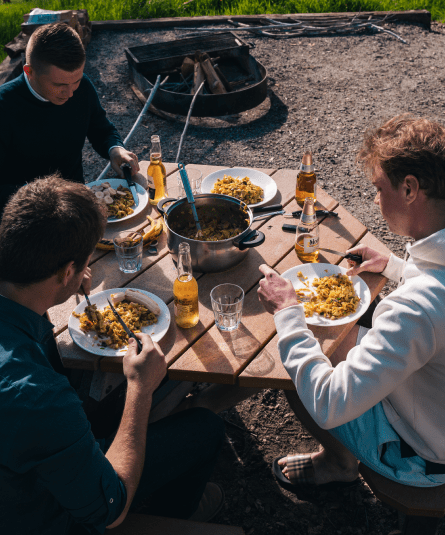
Tailgating: Rules, Tips, and Best Practices

What is Tailgating?

Tailgating refers to pre-game gatherings in stadium parking lots where fans set up food, drinks, games, and entertainment before matches. For World Cup 2026, tailgating will blend American football traditions with global soccer culture, creating unique fan experiences.


General Tailgating Regulations

While specific rules vary by venue, standard regulations include:


Tailgating Setup Best Practices

Layout Strategy:

  • Deploy awning for shaded area

  • Set up tables and chairs under the awning

  • Position the grill away from the RV and high-traffic areas

  • Create clear walkways around the setup

  • Keep supplies organized inside the RV

Food and Beverage Planning:

  • Prepare dishes that can be made ahead and reheated

  • Pack coolers with ice for beverages

  • Bring reusable plates, cups, and utensils

  • Set up a food buffet-style on folding tables

  • Keep hot foods hot and cold foods cold for safety

Entertainment Options:

  • Portable speakers for music (respect noise levels)

  • Lawn games (cornhole, soccer ball for passing)

  • TV or streaming device for pre-game coverage

  • Team flags and decorations

  • Face paint and supporter gear

Safety and Courtesy:

  • Never leave the grill unattended

  • Dispose of trash properly

  • Respect neighboring tailgaters' space

  • Keep music at a reasonable volume

  • Clean up thoroughly before leaving for the stadium


The international nature of the World Cup makes tailgating a cultural exchange as much as a pre-game party.

Post-Match Tailgating

Many fans continue celebrations after matches, returning to parking lots for post-game analysis, food, and socializing. Stadium policies vary regarding post-match lot access and time limits.

Post-Match Considerations:

  • Lots may close 1 to 2 hours after the match ends

  • Traffic congestion makes an immediate exit difficult

  • Waiting for crowds to disperse is often more pleasant in an RV

  • Continue food and beverage service if returning to the campground

Start Planning Your World Cup RV Journey

Understanding cross-border requirements, parking logistics, and tailgating regulations prepares you for a smooth and enjoyable World Cup 2026 experience. With proper planning and preparation, your RV adventure will create memories that last far beyond the final whistle.

Ready to reserve your World Cup RV? Explore available vehicles at El Monte RV Rentals and check current promotions at Rental Deals.