Day 18: Oatman to Barstow (210 miles)
After Oatman, the road drops dramatically into the Mojave Desert. This is where Route 66 travelers truly understand the challenges pioneers faced crossing the American Southwest.
Needles, California, marks entry into the Golden State. Named for the needle-like mountain peaks nearby, Needles sits on the Colorado River, forming the California-Arizona border. Summer temperatures regularly exceed 115°F, but spring and fall make this desert landscape more hospitable.
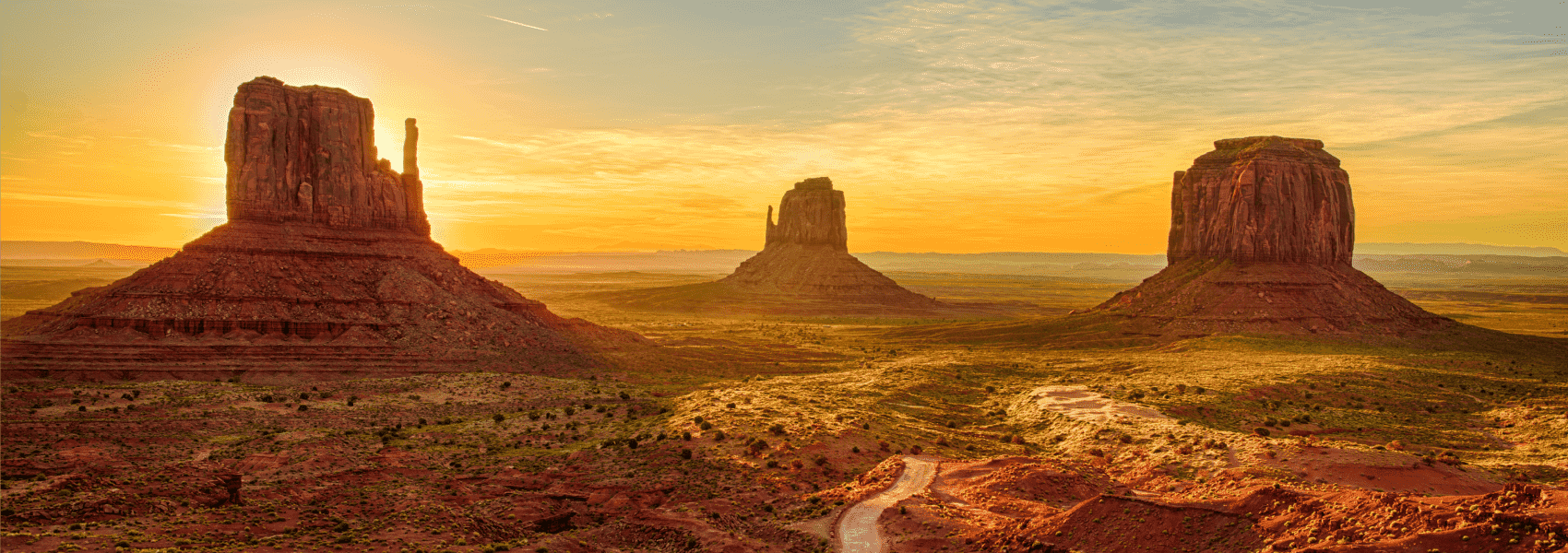
The Mojave Desert stretches endlessly: Joshua trees dot the landscape alongside creosote bushes, cholla cacti, and mountains that shimmer in the heat. This harsh environment possesses its own beauty; the clear air, vast spaces, and dramatic geology create landscapes that feel primordial.
Amboy represents Route 66's most isolated section. Roy's Motel and Cafe, closed for years but recently restored, sits beside Amboy Crater, a 250-foot-tall volcanic cinder cone visible from the highway. The crater offers hiking opportunities for those wanting to explore volcanic geology.
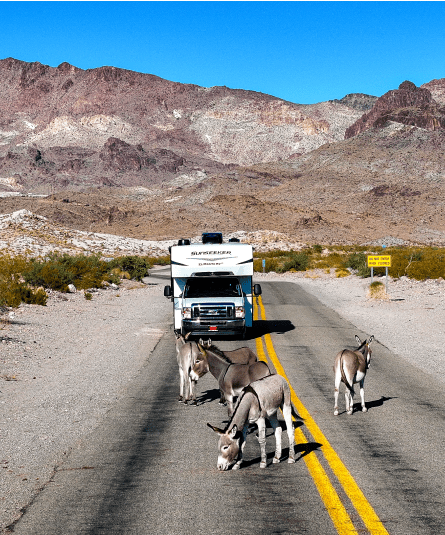
The drive through this section feels timeless, with long straight roads disappearing into distant vanishing points. Bring plenty of water and ensure your RV's cooling systems function properly.
Bagdad Cafe (actually in Newberry Springs) gained fame from the 1987 German film. The cafe serves travelers with Route 66 memorabilia covering every wall.
Barstow represents civilization after desert isolation. This railway town features the Route 66 "Mother Road" Museum and the Western America Railroad Museum, celebrating the region's transportation heritage.
Overnight: Barstow Calico KOA
Day 19: Barstow to Pasadena (140 miles)
Calico Ghost Town, a few miles from Barstow, preserves 1880s silver mining history with restored buildings, mine tours, and western reenactments.
The Cajon Pass descent represents Route 66's most dramatic elevation change, dropping 3,000 feet from the high desert into the Los Angeles Basin. Mountains tower on both sides as the road winds downward through canyons carved by ancient water flow.
San Bernardino marks the entry into California's sprawling urban regions. The original McDonald's Restaurant #1(though rebuilt) sits here, the location where Ray Kroc expanded the McDonald brothers' concept into a worldwide empire.
Rancho Cucamonga features preserved Route 66 architecture, including the historic Virginia Dare Winery building.
Fontana and Rialto show California's mid-century development along Route 66, with vintage motels, diners, and commercial strips representing post-WWII American growth.
Pasadena represents the transition from the Route 66 highway to metropolitan Los Angeles. This elegant city features the Colorado Street Bridge, beautiful Craftsman architecture, and the Huntington Library, Art Museum, and Botanical Gardens, an extraordinary complex featuring rare manuscripts, European and American art, and 120 acres of themed gardens.
Explore Old Town Pasadena's shopping district, dine at one of many excellent restaurants, and enjoy this refined city's cultural offerings.
Overnight: Walnut RV Park provides convenient access to Los Angeles attractions.
Day 20: Los Angeles Exploration (Day 1)
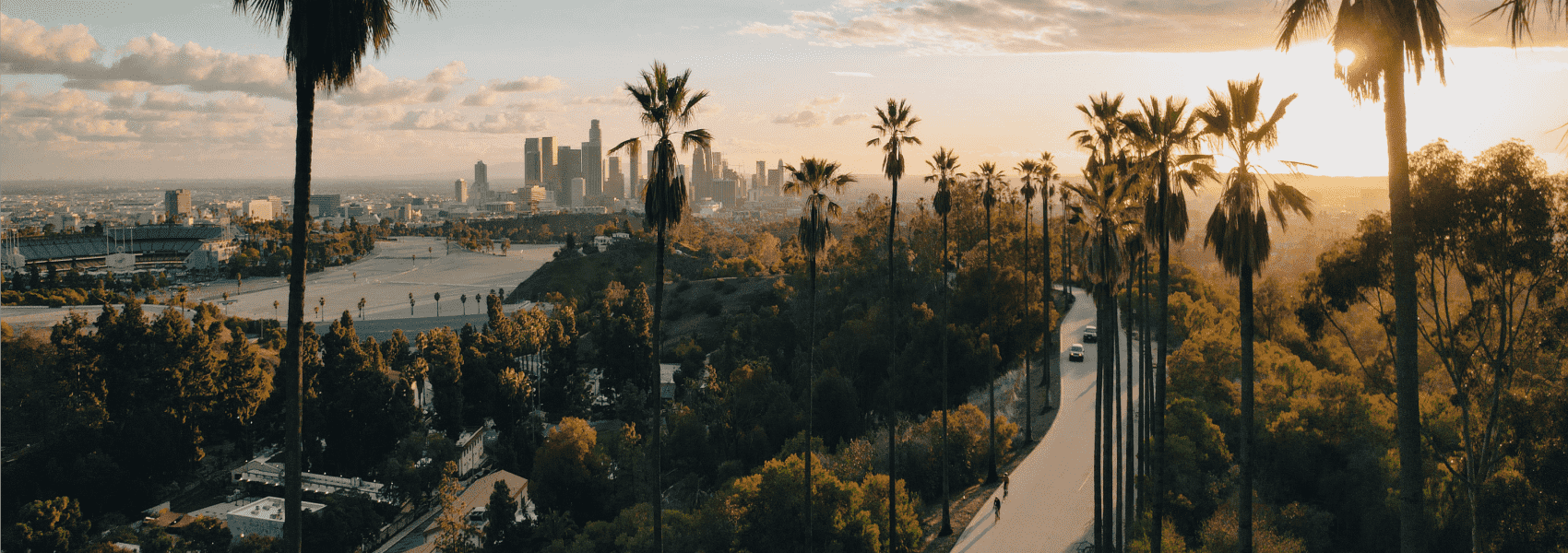
Spend two full days exploring Los Angeles, the vast complex city that represents Route 66's western terminus.
Start in Downtown Los Angeles with Grand Central Market (since 1917), offering food stalls serving everything from tacos to Thai food. Walk to the nearby Bradbury Building, a Victorian-era office building with a spectacular skylit atrium featured in countless films.
Visit Olvera Street, Los Angeles' Mexican marketplace preserving the city's original pueblo site. Browse handcrafted goods, watch folklórico dancers, and taste authentic Mexican food.
The GRAMMY Museum at L.A. Live celebrates music history through interactive exhibits exploring various genres from jazz to hip-hop.
Drive to Hollywood to see the Hollywood Sign (best viewed from Griffith Observatory), walk the Hollywood Walk of Fame, and explore the renovated TCL Chinese Theatre with celebrity handprints and footprints preserved in concrete.
Griffith Observatory offers free admission with exhibits about astronomy, public telescopes, and spectacular city views. Arrive before sunset to watch golden light illuminate Los Angeles' vast sprawl.
End the day at Santa Monica Pier, Route 66's official endpoint. The pier's neon lights, Pacific Park amusement rides, and "End of the Trail" Route 66 sign provide the perfect conclusion backdrop. Watch street performers, enjoy dinner with ocean views, and reflect on 2,400+ miles traveled.
Overnight: Dockweiler RV Park right on the beach
Day 21: Los Angeles Exploration (Day 2) and RV Return
Spend the morning in Venice Beach, where bohemian culture thrives along the boardwalk. Watch street performers, browse artists' booths, and observe bodybuilders at the famous Muscle Beach outdoor gym.
Drive the Pacific Coast Highway north through Malibu, where stunning coastal views showcase California's legendary beaches and surfing culture. Stop at El Matador State Beach for dramatic rock formations and tide pools.
The Getty Center offers world-class art collections (European paintings, sculptures, decorative arts) housed in Richard Meier's stunning architectural complex. The hilltop location provides panoramic city and ocean views. Admission is free (parking fee applies).
If time permits, visit Beverly Hills to window shop on Rodeo Drive and glimpse celebrity culture, or explore Culver City with its arts district and excellent restaurants.
For lunch or early dinner, try In-N-Out Burger (California's beloved fast food chain) or one of Los Angeles' countless international restaurants representing every cuisine imaginable.
Return your RV to the El Monte RV Los Angeles Location by the designated time, allowing time for final inspections and paperwork.


 US Roadtrip Itineraries | El Monte RV