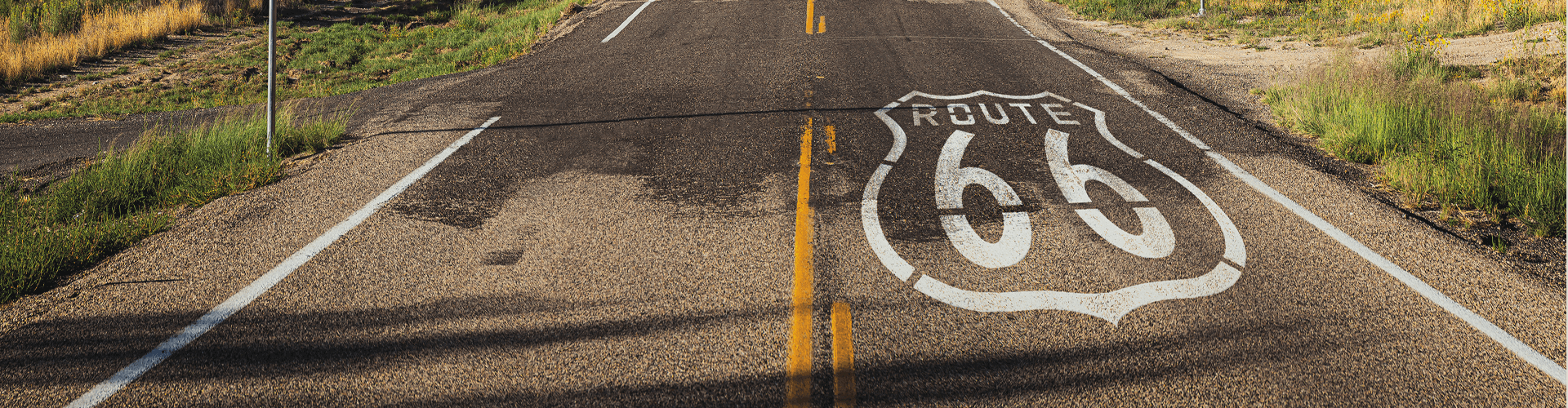
How much does a Route 66 RV trip cost?
May 5th 2026
How to Budget for a Route 66 RV Trip Without Missing a Thing
Table of Contents
- Understanding Your Major Expense Categories
- Budget Strategies for Different Travel Styles
- Hidden Costs and Pleasant Surprises
- Sample Budget Breakdowns
- Money Management on the Road
- Budgeting for Different Trip Lengths
- Special Considerations and Pro Tips
- Final Thoughts: Value Beyond Dollars
Route 66 stretches 2,448 miles from Chicago to Santa Monica, crossing eight states and countless roadside attractions. The beauty of RV travel is that your accommodation travels with you, but understanding all the costs involved helps you plan a trip that balances adventure with financial comfort. This guide breaks down every expense category for Route 66 so you can experience the Mother Road without worry.
The good news? Route 66 rewards careful planning. Unlike destinations where spontaneity costs extra, the Mother Road's best experiences often cost nothing. stands free. welcomes spray painters without charge. The offers spectacular Mississippi River views to anyone willing to walk across. Your largest expenses will be the fundamentals: RV rental, fuel, campgrounds, and food.
Understanding Your Major Expense Categories
Every Route 66 budget divides into six main categories. Some remain fixed regardless of travel style, while others flex based on your choices and preferences.
RV Rental: Your Moving Home Base
Your RV rental represents the trip's foundation, combining transportation and accommodation into one expense. offers three main vehicle classes, each with different features and capacities.
Class C motorhomes balance comfort and maneuverability. They sleep 4-6 people, include full kitchens and bathrooms, and navigate vintage parking lots comfortably. These represent the sweet spot for most Route 66 travelers, offering amenities without excessive size.
Class A motorhomes deliver maximum comfort with residential-style kitchens, spacious living areas, and premium features. They're ideal for longer trips or larger groups but require more careful navigation through small Route 66 towns.
Class B campervans provide compact efficiency perfect for couples. Superior fuel economy and easy parking make them excellent choices for those prioritizing flexibility over space.
Rental duration significantly impacts value. Weekly rentals typically offer better per-day value than daily rates, and longer commitments often include additional benefits. Booking months in advance, especially for summer travel, secures better availability and often better terms.
Every El Monte RV rental includes essential features: unlimited generator use, base mileage allowance, full kitchen equipment, and 24/7 roadside assistance. Insurance coverage is required for all rentals and can be selected through. Check for current promotions that can significantly impact your budget.
Fuel: The Variable That Adds Up
Fuel represents your second-largest expense and the one with most variability. RV fuel economy ranges from 6-8 MPG for large Class A motorhomes to 14-18 MPG for compact Class B campervans, with Class C models typically averaging 8-10 MPG.
Route 66's total distance of 2,448 miles forms your baseline, but actual fuel consumption depends on your driving style and detours. Add 10-20% for side trips, wrong turns, and exploring alternative alignments. If you drive the full route at 8 MPG, expect to consume approximately 300-350 gallons.
Fuel strategies can reduce costs significantly. Fill up in major cities where competition keeps prices lower. Oklahoma City, Amarillo, Albuquerque, and Flagstaff typically offer better fuel prices than remote desert stations. Never let your tank drop below one-quarter full on long desert stretches between Amarillo and Flagstaff, where distances between stations can exceed 50 miles.
Driving habits impact fuel consumption more than travelers realize. Steady speeds between 55-65 MPH optimize efficiency. Aggressive acceleration and heavy braking waste fuel. Using cruise control on flat sections helps maintain consistent speeds. Running air conditioning increases fuel consumption by 10-15%, but desert sections make AC essential for safety and comfort.
Campground Fees: Where You Rest Matters
Campground expenses vary widely based on location, amenities, and season. Private campgrounds with full hookups (water, electric, sewer) typically cost more than state parks or basic sites. Urban areas command premium rates compared to rural locations.
Full hookup sites provide water, electricity (typically 30 or 50 amp), and sewer connections. These sites allow unlimited water use, climate control, and convenient waste disposal. They're ideal for longer stays and families wanting maximum comfort.
Partial hookup sites may include electricity and water but no sewer. You'll use your RV's holding tanks and dump at a separate station before leaving. These sites cost less while still providing essential services.
Dry camping (boondocking) eliminates campground fees entirely but requires self-sufficiency. Your RV's fresh water tank, batteries, and holding tanks provide limited resources. Dry camping works well for one or two nights between full hookup stays, extending your budget while adding adventure.
Route 66 offers campground options in every category. near major cities provide consistent quality, clean facilities, and convenient access to attractions. State parks offer more natural settings, often at lower rates, but may have fewer amenities. Some cities allow overnight RV parking at casinos, rest areas, or Walmart locations, though this varies by jurisdiction and season.
Summer represents peak season along Route 66, with higher campground rates and the need for advance reservations. Shoulder seasons (April-May and September-October) often feature lower rates and better availability. Winter brings the lowest rates but requires checking weather conditions, especially for higher elevation areas like Flagstaff and Williams.
Book popular campgrounds 2-3 months ahead for summer travel. Major cities and areas near national parks fill quickly. More remote locations and shoulder season travel allow last-minute flexibility.
Food: Fueling Your Adventure
Food costs on Route 66 vary dramatically based on whether you cook in your RV or eat out. The RV's full kitchen provides tremendous budget flexibility. Stocking groceries in major cities and preparing most meals in your RV typically costs half what eating every meal at restaurants would.
Start your trip with a grocery stock-up in Chicago. Fill your refrigerator and pantry with breakfast staples, lunch ingredients, snacks, and dinner basics. Plan to restock in St. Louis, Oklahoma City, Albuquerque, and Flagstaff. These major cities offer full-service supermarkets with competitive prices.
Rural areas and small towns typically feature higher grocery prices and limited selection. Stock up before entering long stretches through remote areas. The Texas Panhandle and Mojave Desert sections can go 50+ miles between services.
Balance budget-conscious RV cooking with Route 66's legendary dining experiences. Some restaurants are destinations themselves: breakfast in Chicago, frozen custard in St. Louis, the in Amarillo. These aren't just meals but essential Route 66 experiences.
Budget for 2-3 restaurant meals during a 7-10 day trip without guilt. The remaining meals prepared in your RV balance the budget while offering the satisfaction of cooking your own food and avoiding the time commitment of full restaurant service at every meal.
Attractions and Entertainment
Route 66's greatest gift to budget travelers is that many iconic attractions are free. stands beside public parking. welcomes visitors without admission fees (bring spray paint to participate). The offers free pedestrian access. in Winslow costs nothing. cover public buildings accessible to anyone.
Some attractions charge modest admission fees.,, and various Route 66 museums have entrance fees typically ranging from modest amounts for adults, with children often admitted at reduced rates or free. National park passes provide good value if you plan to visit multiple parks along the route.
Budget for 2-3 paid attractions per day of travel. This allows flexibility to visit museums, tour caves, or explore national parks without constant budget stress.
Photography enthusiasts should budget for spray paint at (bring your own or buy locally) and print photo books after the trip. Route 66's visual splendor deserves documentation, and the cost of capturing memories pays dividends for years.
Optional Extras and Comfort Items
El Monte RV offers various optional extras through that enhance comfort but aren't strictly necessary. Kitchen kits provide pots, pans, and utensils if you don't want to bring your own. Bedding and linen packages eliminate the need to pack bulky items. Outdoor furniture adds comfort at campsites. Wi-Fi hotspots keep you connected in remote areas.
Evaluate each add-on based on your specific needs. Kitchen kits make sense if you're flying to pick up your RV and can't bring equipment. Bedding packages save packing space but add expense. Wi-Fi hotspots are valuable for remote workers or families needing entertainment for children but unnecessary if you plan to disconnect.
Additional mileage packages are available if your route exceeds the base allowance. Calculate your expected mileage including side trips before departure. Prepaid mileage typically costs less than per-mile charges at return.
Pet cleaning fees apply if you're traveling with dogs or cats. Route 66 is pet-friendly, with many attractions welcoming leashed animals and campgrounds accommodating pets.
Budget Strategies for Different Travel Styles
The Minimalist Approach
Minimalist budgeting focuses on experiencing Route 66 with maximum efficiency and minimum spending. This approach doesn't sacrifice adventure but prioritizes free attractions and self-sufficiency.
Choose a Class B campervan for superior fuel economy. Plan routes carefully to minimize unnecessary driving. Mix campground stays with occasional dry camping. Prepare all meals in your RV using groceries purchased at major city supermarkets.
Focus on free attractions: roadside giants, vintage architecture, scenic overlooks, and walking through historic downtowns. Skip paid museums and attractions unless they're personal priorities. Photograph everything rather than buying souvenirs.
The minimalist approach works beautifully on Route 66 because so many iconic experiences cost nothing. You'll still spray paint, photograph the, walk the, and watch the sun set at.
Time flexibility enhances minimalist budgeting. Travel during shoulder seasons when campground rates drop and fuel demand decreases. Book advance reservations to secure the best campground rates.
The Balanced Experience
Most Route 66 travelers follow a balanced approach that mixes budget consciousness with selective splurging. You'll cook most meals in your RV but enjoy legendary Route 66 restaurants. You'll camp at modest campgrounds most nights but occasionally upgrade to full-service resorts near major cities.
Choose a Class C motorhome for comfortable living without excess. Plan for one restaurant meal per day, whether breakfast at, lunch at a roadside diner, or dinner at a local favorite. The other two meals come from your RV kitchen.
Choose to prioritise museums that interest you, tour, and pay entrance fees at. Skip attractions that don't resonate with your interests.
Stay at campgrounds with full hookups most nights. The convenience of unlimited water, shore power, and immediate waste disposal justifies the additional expense. Occasionally dry camp at scenic overlooks or parking lots if you're comfortable with self-sufficiency.
Allow budget flexibility for unexpected discoveries. The best Route 66 moments often arrive unplanned: a vintage diner you weren't expecting, a spectacular sunset that demands an extra night's stay, or a local festival you stumble upon.
The Comfort-Focused Journey
Comfort-focused budgeting prioritizes convenience, amenities, and premium experiences. This approach recognizes that Route 66 represents a once-in-a-lifetime journey worth savoring without constant budget concerns.
Choose a Class A motorhome for maximum space and amenities. Stay at high-quality campgrounds with full hookups, clean facilities, pools, and convenient locations. Eat at restaurants frequently, sampling regional specialties and legendary establishments.
Visit every paid attraction that interests you without hesitation. Tour museums thoroughly, take guided cave tours, and detour to national parks. Purchase souvenirs and gifts without guilt.
Add optional extras like kitchen kits, bedding packages, and Wi-Fi hotspots. Consider purchasing additional mileage packages to allow spontaneous detours. Book the for a night's unique experience.
The comfort-focused approach makes sense for anniversary trips, once-in-a-lifetime journeys, or travelers who prefer not to cook on vacation. Route 66's magic doesn't require roughing it, and premium campgrounds near major attractions enhance rather than diminish the experience.
Hidden Costs and Pleasant Surprises
Costs Often Overlooked
Route 66 budgets should include several expenses that travelers frequently overlook. Toll roads exist in parts of Oklahoma, Kansas, and Illinois. While not expensive individually, they do accumulate over 2,448 miles.
Laundry facilities at campgrounds typically charge per load. Budget for laundry every 3-4 days on longer trips. Some campgrounds include washers and dryers in premium sites, while others operate coin-operated facilities.
Propane refills power your RV's refrigerator, stove, and sometimes heating. Most RVs use 5-10 gallons of propane per week depending on cooking frequency and weather conditions. Stations along Route 66 sell propane, typically at reasonable rates.
Dump station fees apply when using facilities outside of campgrounds. Many campgrounds include dump stations for guests, but standalone facilities charge modest fees. Plan to dump tanks at campgrounds before departure rather than paying separately.
Cell phone and data charges can surprise international travelers. Route 66 crosses multiple cellular networks, and rural areas may have limited coverage. Consider purchasing temporary data plans if you rely heavily on navigation apps and internet access.
Money-Saving Strategies That Work
Several proven strategies reduce Route 66 expenses without sacrificing experience quality.
Join campground membership programs. Many national chains offer memberships that provide discounts at participating locations. If you're staying primarily at one chain's campgrounds, memberships often pay for themselves on trips of 7+ nights.
Travel during shoulder seasons. April-May and September-October offer ideal weather with significantly lower campground rates and less crowded attractions. Summer heat in desert sections can be punishing, while shoulder season delivers comfortable temperatures.
Book early for summer travel. Advance reservations (3-6 months) often secure better RV rental terms and campground rates. Early booking also ensures availability at popular locations that fill quickly during peak season.
Cook breakfast and lunch, dine out for dinner. Restaurant dinners cost more than lunches but provide the same atmosphere and experience. Preparing breakfast and lunch in your RV reduces food costs significantly while still allowing restaurant experiences.
Stock up at major cities. Groceries, fuel, and supplies cost less in Oklahoma City, Albuquerque, and Flagstaff than in small towns with limited competition. Fill your RV's tank, refrigerator, and pantry at major stops.
Embrace free attractions. Route 66's roadside giants, vintage architecture, and natural beauty cost nothing. You can have an exceptional Route 66 experience focusing primarily on free attractions while selectively paying for museums or tours that truly interest you.
Travel with another family. Two families sharing a larger RV splits rental costs, fuel expenses, and campground fees while creating opportunities for shared memories and companionship on the road.
Pleasant Budget Surprises
Route 66 delivers unexpected value that enhances your budget's purchasing power. Many campgrounds include amenities like pools, hot tubs, playgrounds, and recreation rooms that provide entertainment without additional cost.
Local communities often host free events along Route 66. Small-town festivals, car shows, and farmers markets add color to your journey without expense. Check local visitor centers upon arrival to learn about current events.
The RV's kitchen saves money but also improves dining quality on your terms. Morning coffee on your schedule, meals timed for your family's rhythm, and the ability to accommodate dietary restrictions or preferences all add value beyond dollars saved.
Spontaneous interactions with locals, fellow travelers, and business owners create highlights that cost nothing but mean everything. Route 66 communities take pride in their heritage and love sharing stories with travelers who appreciate the Mother Road.
Sample Budget Breakdowns
These sample budgets illustrate how different approaches create Route 66 experiences at various levels. All examples assume 10 days, covering the full route from Chicago to Santa Monica with a family of four.
Minimalist 10-Day Budget
RV Rental: Class B campervan (10 days) Fuel: ~200 gallons at efficient MPG Campgrounds: Mix of budget sites and occasional dry camping (10 nights) Food: Groceries for all meals except 2-3 restaurant experiences Attractions: Focus on free attractions, 2-3 paid admissions Miscellaneous: Tolls, propane, laundry, spray paint for
This approach delivers authentic Route 66 experience through careful planning and prioritization of free attractions. You'll see everything iconic while cooking most meals and camping modestly.
Balanced 10-Day Budget
RV Rental: Class C motorhome (10 days) Fuel: ~300 gallons at moderate MPG Campgrounds: Full hookup sites at mid-range campgrounds (10 nights) Food: Groceries for breakfast and lunch, restaurants for dinner Attractions: Visit 2-3 paid attractions daily Optional Extras: Kitchen kit, additional mileage package Miscellaneous: Tolls, propane, laundry, souvenirs, spray paint
The balanced approach provides comfort without excess. You'll enjoy full hookups, restaurant dinners, and the flexibility to visit any attraction that interests you.
Comfort-Focused 10-Day Budget
RV Rental: Class A motorhome (10 days) Fuel: ~350 gallons at lower MPG Campgrounds: Premium full hookup sites near attractions (10 nights) Food: Mix of RV meals and frequent restaurant dining Attractions: Visit all paid attractions without hesitation Optional Extras: Kitchen kit, bedding package, Wi-Fi hotspot, additional mileage Special Experiences: Night at Miscellaneous: Tolls, propane, laundry, souvenirs, gifts
The comfort-focused budget eliminates worry about costs, allowing you to say yes to any experience that appeals. Maximum amenities ensure comfort throughout the journey.
Money Management on the Road
Managing your budget while traveling requires different strategies than home financial management. Route 66 crosses remote areas with limited banking services, and cash remains useful for small businesses, roadside stands, and vintage attractions.
Payment Methods
Credit cards work at major campgrounds, chain restaurants, and fuel stations. However, some small businesses along Route 66 remain cash-only or charge fees for card transactions. Carry moderate cash reserves for:
Small museums and attractions
Roadside fruit stands and local vendors
Tips for campground staff
Spray paint at small-town stores near
Backup emergency funds if cards fail
ATMs exist in all major cities along Route 66, but small towns may lack banking services. Withdraw cash in Oklahoma City, Amarillo, Albuquerque, or Flagstaff rather than paying fees at standalone ATMs in remote areas.
Tracking Expenses
Route 66's magic can make budget tracking feel mundane, but maintaining awareness helps prevent overspending. Simple methods work best:
Daily envelope system: Allocate cash for each day's expected expenses. Anything left over becomes surplus for special experiences or carries forward to the next day.
Expense tracking app: Photograph receipts or enter expenses into budgeting apps. This creates a trip record while maintaining budget awareness.
Weekly check-ins: Review spending every few days. Are you trending above or below expectations? Adjust remaining days accordingly.
Route 66 allows budget flexibility. If you overspend one day on an exceptional restaurant or unexpected attraction, balance it by cooking the next day's meals or dry camping to save campground fees.
Budgeting for Different Trip Lengths
The Weekend Express (3-4 Days)
Shorter Route 66 trips focus on specific sections rather than the entire highway. The Weekend Express Oklahoma City to Albuquerque itinerary (540 miles over 3 days) reduces expenses proportionally while delivering concentrated Route 66 experience.
Shorter trips reduce total RV rental days, fuel consumption, and campground nights. However, per-day costs often run higher because you're paying premium rates without weekly discounts. Focus on the route's highlights:,,, and Tucumcari's neon corridor.
The Classic Journey (7-10 Days)
The full Chicago to Santa Monica route works perfectly in 7-10 days depending on pace. This duration provides optimal cost efficiency, with weekly rental rates delivering better value than daily rates.
Ten days allows comfortable pacing without rushing. You'll average 245 miles daily with time for attractions, photography, and spontaneous discoveries. Seven-day trips compress the route but remain manageable for travelers focused on major highlights.
The Extended Adventure (14+ Days)
Extended Route 66 journeys allow deeper exploration with detours to national parks, extended stays in favorite cities, and truly relaxed pacing. Monthly rental rates available through provide excellent value for trips exceeding two weeks.
Two-week trips permit detours, multiple days in Santa Fe, extended Chicago exploration before departure, and time for unplanned discoveries. Monthly rentals include up to 1,500 miles, making even extensive detours financially feasible.
Special Considerations and Pro Tips
Seasonal Budget Variations
Route 66 costs fluctuate significantly by season. Summer represents peak season with maximum demand for RV rentals, highest campground rates, and increased fuel consumption due to air conditioning needs. However, summer also delivers longest daylight hours, all attractions operating at full capacity, and ideal weather in Flagstaff and higher elevations.
Shoulder seasons (April-May and September-October) offer ideal budget conditions. RV rental rates drop, campgrounds reduce prices, and comfortable temperatures minimize fuel consumption. Route 66's most iconic sections (the New Mexico and Arizona deserts) shine during shoulder seasons with perfect photography light and comfortable temperatures.
Winter delivers lowest rates across all categories but requires flexibility. Snow can close mountain passes in Flagstaff and Williams. Some attractions reduce hours or close entirely. However, for travelers comfortable with weather uncertainty and willing to adapt plans, winter provides exceptional value.
Group Travel Economics
Route 66 becomes increasingly economical with larger groups. Two couples sharing a Class A motorhome split rental costs, fuel expenses, and campground fees while doubling the fun. Four adults traveling together typically spend similar total amounts as two adults traveling separately, making group trips exceptional value.
Family groups benefit similarly. A family of four in a Class C motorhome pays the same rental and campground fees as a couple, with only food costs increasing proportionally.
Early Booking Advantages
Booking your RV rental 3-6 months ahead provides multiple advantages. You'll secure vehicle availability during peak summer months when Class C motorhomes rent quickly. Early booking often delivers better terms and occasional promotional rates.
Campground reservations follow similar logic. Popular locations near major cities fill months ahead during summer. Booking early ensures you get preferred sites with full hookups and convenient locations.
Check regularly for seasonal promotions. El Monte RV periodically offers special rates, particularly for shoulder season travel or extended rentals.
Final Thoughts: Value Beyond Dollars
Route 66 budgeting ultimately concerns value rather than just expense. The cheapest trip isn't necessarily the best, and the most expensive approach doesn't guarantee satisfaction. The best budget balances financial comfort with experience quality, allowing you to enjoy the Mother Road without worry.
Remember what makes Route 66 special: the roadside giants that make you smile, the vintage diners serving honest food, the spectacular desert sunsets, the friendly conversations with locals who keep the highway's spirit alive, and the pure freedom of the open road.
Your budget enables these experiences but doesn't define them. The doesn't care whether you're traveling on a minimalist budget or comfort-focused spending plan. welcomes everyone's spray-painted contributions equally. The view from at sunset costs nothing regardless of how you arrived.
Plan your budget carefully, but hold it loosely enough to embrace spontaneity. Save money on campgrounds and groceries so you can say yes to that unexpected museum, that vintage motel with spectacular neon, or that legendary diner you didn't know existed until a local recommended it.
Route 66 rewards preparation but demands flexibility. Your budget is a tool for enabling adventure, not a constraint limiting experience. Done right, budgeting for Route 66 creates freedom to explore America's Mother Road with confidence, comfort, and joy.
Ready to start planning your Route 66 adventure? Explore RV options at and check current promotions at to make your journey even more affordable. The Mother Road awaits, and with proper budgeting, nothing stands between you and the trip of a lifetime.