

How do I drive an RV safely on Route 66?
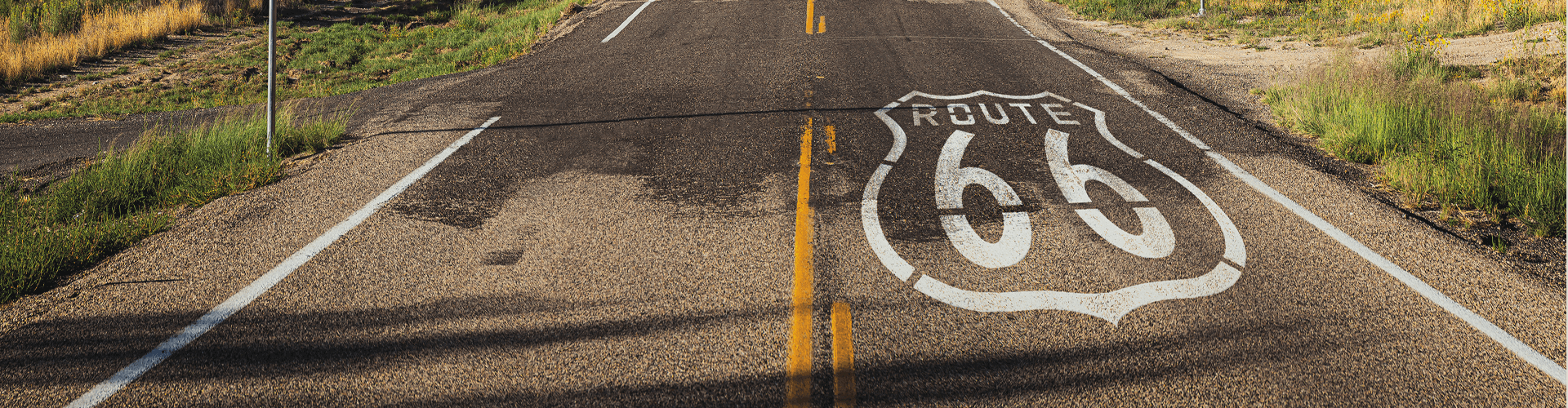
Route 66
May 5th 2026
RV Safety on Route 66: How to Drive Smart, Save Fuel, and Stay Cool
Table of Contents
- Introduction
- Understanding Your RV's Capabilities
- Pre-Trip Vehicle Orientation
- Driving Techniques for Route 66
- Fuel Economy and Range Management
- Desert Heat Management
- Tire Management and Safety
- Emergency Preparedness
- Campground Arrival and Setup
- Route 66-Specific Challenges
- Maintenance and Mechanical Awareness
- Insurance and Documentation
- Conclusion: Confident Route 66 Travel
Introduction
Route 66 stretches 2,448 miles across eight states, climbing mountain passes, crossing desert flats, and navigating small-town streets built for 1950s automobiles. An RV handles differently than a car, consumes more fuel, and requires specific strategies for comfort and safety. Understanding these differences transforms Route 66 from a challenging drive into a confident, enjoyable journey.
This guide covers practical RV operation for Route 66's unique conditions. You'll learn how to manage steep grades, maximize fuel economy, stay comfortable in desert heat, and handle the tight turns that make some historic sections challenging for larger vehicles.
An El Monte RV rental includes everything needed for safe Route 66 travel: well-maintained vehicles, 24/7 roadside assistance, and unlimited generator use for powering air conditioning during desert crossings. But even the best equipment requires proper operation.
Understanding Your RV's Capabilities
Route 66 presents diverse driving conditions. Flat Illinois farmland gives way to Missouri's rolling hills, Oklahoma's plains, Texas Panhandle winds, New Mexico's mountain passes, and Arizona's steep desert grades before descending into California.
Class A Motorhomes
Class A motorhomes measure 26-45 feet long and weigh 13,000-30,000 pounds. They offer maximum comfort with spacious interiors, full amenities, and smooth highway driving. Their size creates specific challenges on Route 66.
Advantages: Comfortable driving position with excellent visibility. Powerful engines handle grades confidently. Spacious interior for long trips.
Route 66 Considerations: Tight turns in towns like Oatman, Seligman, and Williams challenge drivers. Vintage parking lots often lack space for 35+ foot rigs. Fuel economy averages 6-8 MPG.
Class C Motorhomes
Class C motorhomes measure 20-33 feet long and weigh 10,000-12,000 pounds. They balance comfort with maneuverability, making them ideal for Route 66's mix of highway and small-town driving.
Advantages: Navigate most historic Route 66 sections comfortably. Fit standard parking spaces. Better fuel economy than Class A. Over-cab sleeping area maximizes interior space.
Route 66 Suitability: Best all-around choice for Route 66. Handle mountain passes safely. Maneuver through small towns easily. Average fuel economy of 8-10 MPG.
Class B Campervans
Class B campervans measure 17-24 feet long and weigh 8,000-10,000 pounds. They drive like large vans with living amenities built into a compact space.
Advantages: Navigate every Route 66 section, including Oatman's hairpin turns. Park anywhere. Best fuel economy at 14-18 MPG. Easy driving requires minimal adjustment from car driving.
Trade-offs: Limited living space for extended trips. Smaller freshwater and holding tank capacity. Less storage for gear and supplies.
Pre-Trip Vehicle Orientation
El Monte RV provides a thorough vehicle orientation before departure. Maximize this time by focusing on systems critical for safe Route 66 travel.
Essential Systems to Master
Height Awareness: Know your RV's exact height, including any roof equipment. Most RVs measure 10-13 feet tall. Low bridges, gas station canopies, and drive-through restaurants create hazards. Route 66 features vintage architecture with lower clearances than modern highways.
Weight Distribution: Understand proper loading. Heavy items belong low and centered. Distribute weight evenly side-to-side. Never exceed posted weight ratings. Overloading compromises handling and braking.
Electrical Systems: Learn how to operate the generator, shore power connections, and battery systems. Understand propane shut-off valves and when to close them. Know how to reset breakers if circuits trip.
Water Systems: Understand fresh water, grey water, and black water tank capacities. Learn proper dumping procedures. Know how to winterize if traveling during cold months.
Critical Safety Equipment
Verify presence and operation of:
- Fire extinguisher (check pressure gauge)
- Smoke detector and carbon monoxide detector (test before departure)
- First aid kit (check contents and expiration dates)
- Emergency triangles or flares
- Tire pressure gauge
- Wheel chocks
- Leveling blocks
Driving Techniques for Route 66
RVs require different driving techniques than passenger vehicles. Weight, length, and height create handling characteristics that demand attention and adjustment.
Speed and Following Distance
Maintain speeds appropriate for conditions, not just posted limits. RVs need more distance to stop due to their weight. Follow the three-second rule minimum, extending to five seconds in adverse conditions.
On Route 66's two-lane sections, patient driving prevents stress. Pull over at designated turnouts to allow faster traffic to pass. Rushing creates danger without saving meaningful time.
Wind Management
High-profile RVs catch crosswinds like sails. The Texas Panhandle and New Mexico high desert regularly produce 25+ MPH winds. Strong gusts push RVs sideways, requiring steering corrections.
Wind Driving Strategies:
- Reduce speed in high winds (10-15 MPH below normal cruise)
- Grip the steering wheel firmly at the 9 and 3 positions.
- Anticipate gusts when passing trucks or gaps in terrain.
- Watch for wind indicators like swaying trees or blowing dust.
- Consider stopping if winds exceed 40 MPH.
- Semi-trucks passing create wind blasts requiring firm steering.
Managing Grades and Mountain Passes
Route 66 crosses several mountain sections: the Ozark foothills in Missouri, the Sandia Mountains approaching Albuquerque, and Arizona's high country between Flagstaff and Williams. California's Cajon Pass descends 3,000 feet in 30 miles.
Climbing Grades:
Maintain momentum approaching hills. Downshift before grades steepen. Manual transmissions should downshift to maintain engine RPM in the power band. Automatic transmissions often include manual shift modes or tow/haul settings that hold lower gears.
Don't fight the RV. If speed drops to 40 MPH on steep grades, that's acceptable. Overheating engines cause more problems than slower climbing. Monitor temperature gauges and pull over if readings approach red zones.
Descending Grades:
Never rely solely on brakes for speed control on long descents. Continuous braking overheats components, leading to brake fade where stopping power diminishes dangerously.
Use engine braking by downshifting to lower gears. The engine's compression slows the vehicle without using friction brakes. Automatic transmissions often provide manual gear selection for descents.
The proper technique: Select a gear that maintains the desired speed (typically 35-45 MPH) without touching the brakes. Only use brakes for additional speed reduction before curves.
If brakes begin smoking or emitting burning odors, pull over immediately at a safe location and allow cooling before continuing.
Backing and Parking
Route 66 features vintage parking lots designed for 1950s automobiles measuring under 20 feet. Modern RVs exceed these dimensions, making parking challenging at popular stops.
Backing Techniques:
Always have a spotter when backing. Establish hand signals beforehand. The spotter stands where the driver can see them in mirrors, never behind the RV where they're invisible.
Back slowly with frequent stops to reassess. Turning the steering wheel while backing moves the rear opposite the direction you'd expect: turn left to back right, turn right to back left.
Practice backing before attempting crowded tourist stops. Empty parking lots or campgrounds provide safe practice environments.
Parking Strategy:
Scout locations before committing. Drive past potential spots to assess clearance and access. Look for pull-through spaces that eliminate backing.
At popular attractions with limited parking, arrive early morning or late afternoon when crowds thin. Many roadside giants feature roadside pullouts allowing safe parking without entering lots.
Accept that some stops require parking away from attractions and walking with camera gear. This approach proves safer than forcing tight maneuvers.
Navigating Small Towns
Route 66 winds through downtown districts in towns built a century ago. Streets feature tight turns, narrow lanes, and low-hanging traffic signals or awnings.
Small Town Strategy:
Follow truck routes when available. Commercial vehicles face similar clearance restrictions, and designated truck routes provide safe passage.
Slow down through downtown districts. Turning radius increases with length, and RVs swing wide on corners. Watch for curbs, street signs, and parked vehicles that may contact your RV's extremities.
Right turns are trickiest. The rear of the RV cuts inside the front's path. Start turns from the lane's left side, allowing room for the rear to clear curbs and obstacles.
If uncertain about clearance or turning radius, find an alternate route. Downtown Oatman, Arizona, features particularly tight streets. RVs over 30 feet should bypass Oatman via Interstate 40, sacrificing that stop for safety.
Fuel Economy and Range Management
RVs consume more fuel than passenger vehicles due to weight, size, and aerodynamics. Understanding factors affecting fuel economy helps plan refueling stops and manage costs.
Factors Affecting MPG
Speed: Fuel economy drops dramatically above 60 MPH due to aerodynamic drag. Traveling at 55-60 MPH instead of 70 MPH improves economy by 15-25%.
Wind Resistance: Headwinds force engines to work harder. Tailwinds provide slight improvements. Crosswinds require steering corrections that increase drag.
Terrain: Flat terrain delivers the best economy. Climbing grades reduces MPG significantly. Descending grades improves efficiency if engine braking maintains speed without accelerating.
Weight: Every 1,000 pounds reduces fuel economy by approximately 1-2%. Travel as light as possible while maintaining essential supplies.
Maintenance: Properly inflated tires, clean air filters, and regular oil changes optimize efficiency.
Route 66 Fuel Planning
Rural stretches between Oklahoma City and Albuquerque can exceed 50 miles between stations. Desert sections offer limited services with higher prices.
Fuel Strategy:
Fill tanks when reaching half capacity rather than waiting for empty. This practice provides safety margins if stations close unexpectedly or long lines develop.
Use fuel-finding apps like GasBuddy to locate stations along your route and compare prices. Small towns often feature single stations charging premium prices. Filling in larger cities saves money.
Calculate range based on worst-case economy rather than optimistic averages. Class A motorhomes should plan for 6 MPG, Class C for 8 MPG, and Class B for 14 MPG when estimating range.
Budget approximately $800-$1,200 for fuel covering Route 66's full length, depending on RV class and current fuel prices.
Additional miles beyond base allowances can be purchased through Travel Extras to ensure adequate coverage for your journey.
Desert Heat Management
Route 66's desert sections through Texas, New Mexico, and Arizona regularly exceed 100°F during the summer months. Proper heat management ensures comfort and prevents system failures.
Air Conditioning Operation
All El Monte RV rentals include functioning air conditioning systems. Understanding proper operation maximizes cooling while preventing problems.
Generator Use: Air conditioning requires significant power beyond what batteries provide. Run the generator when operating AC without shore power connections. All El Monte RV rentals include unlimited generator use.
Start generators before turning on AC. Allow generators to warm briefly, then engage air conditioning. This sequence prevents electrical surges that can trip breakers.
Cooling Strategies:
Park in shade whenever possible. Even partial shade reduces interior temperatures by 10-15°F. Trees, building shadows, or covered areas provide relief.
Close window coverings during peak heat hours. Reflective windshield covers block the sun from entering through large front windows.
Vent roof fans pull hot air upward while AC pushes cool air from ceiling units. Running both simultaneously improves circulation and cooling efficiency.
Avoid opening doors and windows during the hottest hours. Quick entries and exits prevent cool air from escaping.
Preventing Overheating:
Monitor engine temperature gauges while climbing desert grades. Steep hills combined with heat stress cooling systems.
If temperature gauges approach red zones, take immediate action:
- Turn off the air conditioning to reduce engine load.
- Turn on the dashboard heater at maximum to draw heat from the engine.
- Pull over safely if the temperature continues rising.
- Allow the engine to cool completely before continuing.
Hydration and Safety
Desert conditions cause rapid dehydration. Symptoms include headache, fatigue, dizziness, and confusion. Severe dehydration creates medical emergencies.
Hydration Strategy:
Drink water constantly rather than waiting for thirst. Aim for 16 ounces per hour during desert travel. Keep water bottles easily accessible.
Avoid alcohol and excessive caffeine, which accelerate dehydration. Eat salty snacks to replace electrolytes lost through sweating.
Watch for dehydration signs in passengers, especially children and elderly travelers. Pale skin, reduced urination, and fatigue indicate insufficient hydration.
Store extra water beyond drinking needs. Five gallons of emergency water support vehicle cooling system repairs or unexpected delays in remote areas.
Tire Management and Safety
Tire failures strand travelers and create dangerous situations. Proper tire care prevents most problems.
Tire Pressure
Check tire pressure before each driving day. Use a quality tire gauge, measuring when tires are cold (before driving or at least three hours after stopping).
Proper inflation appears on stickers inside the driver's door frame. Front and rear tires often require different pressures. Never use the maximum pressure listed on tire sidewalls.
Heat from driving increases pressure by 5-10 PSI. This temporary increase is normal and expected. Never release air from hot tires.
Underinflated tires generate excess heat, wear unevenly, and reduce fuel economy. Overinflated tires provide harsh rides and reduce traction.
Many campgrounds and truck stops offer free air. Gas stations increasingly charge for air. Invest in a portable air compressor for convenience.
Tire Inspection
Examine tires daily for:
- Embedded objects (nails, glass, debris)
- Cuts or bulges in sidewalls
- Uneven wear patterns
- Cracks indicating age deterioration
Route 66's historic sections sometimes feature rough pavement or gravel surfaces. Drive slowly over questionable surfaces to prevent tire damage.
Handling Tire Failures
If a tire fails while driving:
- Maintain a firm grip on the steering wheel.
- Avoid sudden braking or steering.
- Ease off the accelerator and allow the speed to decrease naturally.
- Signal and move to the side of the road safely.
- Activate hazard lights
- Set emergency triangles or flares.
- Contact El Monte RV roadside assistance.
Never attempt to change RV tires yourself. RVs weigh thousands of pounds, and improper jacking creates fatal crush hazards. Professional service ensures safe repairs.
All El Monte RV rentals include 24/7 roadside assistance. Save this number in your phone before departure.
Emergency Preparedness
Route 66 crosses remote sections with limited cell service and sparse traffic. Preparation prevents minor issues from becoming serious problems.
Emergency Supplies
Carry essential supplies:
- Five gallons of drinking water (beyond the RV freshwater tank)
- Non-perishable food (energy bars, nuts, dried fruit)
- First aid kit with adequate supplies for your group
- Flashlights and extra batteries
- Jumper cables
- Basic toolkit (screwdrivers, pliers, adjustable wrench)
- Tire pressure gauge
- Duct tape and zip ties
- Paper maps (backup for GPS failures)
Communication Strategy
Cell service proves unreliable across Route 66's rural stretches. Download offline maps before departure. Google Maps and dedicated GPS apps allow downloading regional maps for offline use.
Inform someone of your route and expected arrival times. Check in regularly when cell service exists. Establish a communication plan if you'll be traveling through areas with no service.
Consider satellite communication devices for truly remote sections. These devices send text messages and emergency alerts even without cell coverage.
Weather Awareness
Route 66 crosses multiple climate zones with varying weather hazards.
Summer Thunderstorms: Oklahoma and Texas experience severe thunderstorms with lightning, hail, and occasional tornadoes. Monitor weather forecasts and NOAA weather radio. If severe weather threatens, seek shelter in sturdy buildings.
Flash Floods: Desert washes fill rapidly during storms. Never drive through flowing water across roads. "Turn around, don't drown" applies to RVs especially, as flowing water sweeps heavy vehicles downstream.
Winter Conditions: Flagstaff and Williams average 100+ inches of annual snowfall. Winter Route 66 travel requires monitoring mountain pass conditions. Tire chains may be required, though RVs often cannot accommodate chains safely. Consider alternate routes during winter storms.
High Winds: The Texas Panhandle and New Mexico high desert produce sustained winds exceeding 40 MPH. High-profile RVs become difficult to control. If winds create handling problems, stop and wait for conditions to improve.
Campground Arrival and Setup
Daily campground routine affects comfort and safety. Developing efficient procedures reduces setup time and prevents mistakes.
Arrival Procedure
Arrive at campgrounds before dark when possible. Setting up in daylight prevents accidents and allows proper site assessment.
Check in at the office first. Obtain site assignments and any specific campground rules. Ask about:
- Quiet hours
- Generator use restrictions
- Dump station locations and hours
- Wi-Fi availability and passwords
- Nearby attractions or services
Site Selection and Setup
Choose sites carefully when options exist. Look for:
- Level parking pads (reducing the need for leveling blocks)
- Full hookups (water, electric, sewer) if available
- Shade during hot weather
- Pull-through sites (eliminating backing)
- Distance from high-traffic areas or bathrooms
Setup Sequence:
- Position the RV on site before extending slideouts.
- Place wheel chocks
- Level RV using leveling jacks or blocks.
- Extend slideouts after leveling.
- Connect shore power, water, and sewer.
- Test all connections
- Deploy awning if desired.
Utility Connections
Electrical: Match amperage to available service. Most campgrounds offer 30-amp or 50-amp service. Use appropriate adapters if needed. Never overload electrical systems by running too many appliances simultaneously.
Water: Use water pressure regulators to prevent damage from excessive pressure. Campground systems sometimes exceed safe limits, potentially damaging RV plumbing.
Sewer: Always wear gloves when connecting sewer hoses. Use sewer hose supports to maintain a slight downward slope for proper drainage. Connect to the RV first, then to the campground connection to prevent spills.
Departure Procedure
Develop a departure checklist to prevent forgotten items:
- Disconnect and store utilities (water, electric, sewer)
- Retract awning and slideouts.
- Close and lock windows and vents.
- Secure cabinets and loose items
- Check exterior compartments
- Remove wheel chocks
- Perform a walk-around inspection
- Check tire pressure
- Verify that all lights function.
Route 66-Specific Challenges
Certain Route 66 sections demand extra attention due to road conditions, terrain, or tight spaces.
Oatman, Arizona
The route through Oatman features steep grades, hairpin turns, and narrow streets. This section was purposely challenging to test vehicles climbing from desert valleys into mountain passes.
Oatman Strategy:
RVs under 30 feet can navigate carefully. Larger rigs should bypass via Interstate 40, rejoining Route 66 beyond Oatman. Missing this section disappoints, but safety outweighs photo opportunities.
If attempting Oatman, drive very slowly. Hairpin turns require multiple steering adjustments. Wild burros roaming the streets create additional obstacles requiring patience.
Cajon Pass, California
Descending from the Mojave Desert into the Los Angeles Basin involves 3,000 feet of elevation loss over 30 miles. Interstate 15 replaced original Route 66 through Cajon Pass but maintains steep grades.
Cajon Pass Strategy:
Downshift to lower gears before descent begins. Monitor brake temperature. If brakes begin smoking, pull off at emergency truck ramps or turnouts to cool.
Maintain steady speeds of 35-45 MPH using engine braking. Traffic often moves much faster, but safe descent matters more than keeping pace with cars.
Chain of Rocks Bridge
This historic bridge was closed to vehicles in 1970 but remains accessible to pedestrians and cyclists. The famous 22-degree bend makes for excellent photography but requires parking and walking access.
Park in designated areas and walk onto the bridge. The mile-long span offers spectacular views but no vehicle access.
Maintenance and Mechanical Awareness
El Monte RV maintains vehicles professionally before rental. Understanding basic systems helps identify problems early.
Daily Inspections
Perform walk-around inspections each morning:
- Check tire condition and pressure.
- Look under the RV for leaks (fluid puddles indicate problems)
- Verify exterior lights function.
- Check for new damage or loose components.
- Ensure cargo doors close and lock properly.
Fluid Monitoring
Check fluid levels weekly or anytime warning lights illuminate:
- Engine oil (check when cold on level ground)
- Coolant level (only when engine is cold)
- Transmission fluid (follow manual instructions)
- Windshield washer fluid
Never ignore warning lights. Pull over safely and assess problems. Contact roadside assistance if uncertain about issues.
Generator Maintenance
Generators require exercise to maintain reliability. Run generators under load (with AC running) for at least two hours weekly.
Check generator oil level every few days during extended trips. Generators consume oil during operation and require more frequent checking than automotive engines.
Insurance and Documentation
El Monte RV requires insurance for all rentals. Options range from basic liability to comprehensive coverage protecting against accidents, theft, and damage.
Insurance Considerations
Review coverage options carefully. Higher deductibles reduce daily costs but increase out-of-pocket expenses if accidents occur.
Protection plans available through Travel Extras reduce financial exposure and provide peace of mind during travel.
Required Documentation
Carry essential documents:
- Valid driver's license
- Rental agreement and insurance proof
- Emergency contact numbers
- Roadside assistance information
- Credit card for deposits and emergencies
Keep copies stored separately from originals. Photograph documents with smartphones for digital backup.
Conclusion: Confident Route 66 Travel
Route 66 rewards preparation. Understanding RV capabilities, practicing safe driving techniques, managing desert heat, and maintaining vehicles transforms potential challenges into confident adventures.
The Mother Road's 2,448 miles cross diverse terrain demanding respect and attention. But proper preparation means you'll focus on roadside giants, vintage neon, and spectacular landscapes rather than worrying about mechanical problems or safety concerns.
An El Monte RV rental provides well-maintained vehicles and 24/7 support, forming the foundation for safe travel. Your responsibility involves operating equipment properly, driving defensively, and maintaining awareness of changing conditions.
Route 66 doesn't require expert RV skills. It requires common sense, patience, and willingness to adjust plans when conditions demand. Drive smart, stay comfortable, and Route 66 reveals itself as manageable, enjoyable, and ultimately unforgettable.
Ready to plan your Route 66 adventure? Explore RV options at El Monte RV Rentals and check current promotions at Rental Deals. The Mother Road awaits, and with proper preparation, you're ready to drive it safely and confidently.
